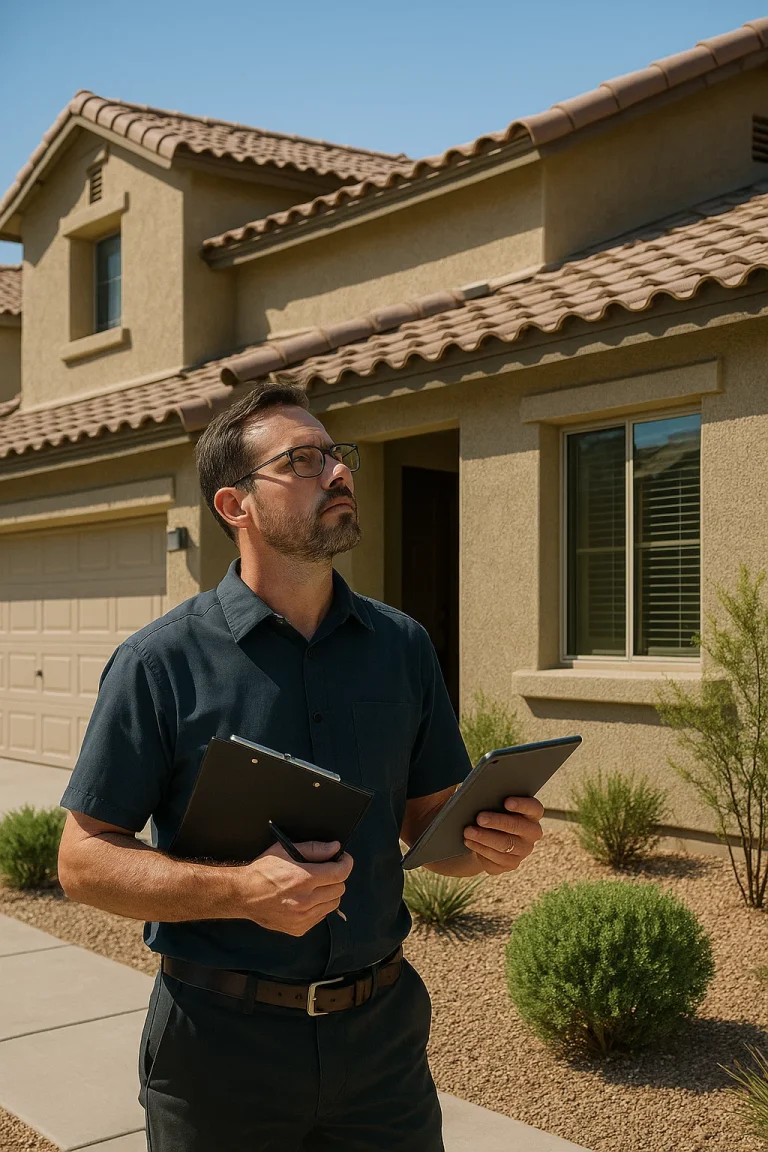
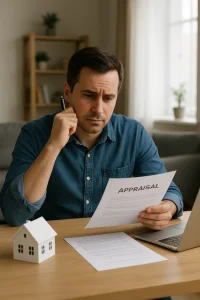
 Buying or selling a home is a monumental event, often filled with anticipation and a flurry of paperwork. One of the most crucial steps in this process is the home appraisal, a professional assessment of the property’s true market value. But what if the value determined by the appraiser is lower than the amount the buyer’s lender is willing to offer as a loan? This situation, known as an appraisal gap, can trigger uncertainty, delays, and tense negotiations between all parties. In this article, Eagle Home Appraisal Gilbert explains what causes this scenario, why it matters, and what steps buyers, sellers, and agents can take to resolve it.
Understanding the Home Appraisal Process
Home appraisals play a central role in nearly every mortgage-backed real estate deal. Conducted by a certified professional, an appraisal is an unbiased estimate of what the property is worth based on its features, recent comparable sales in the area, and current market trends. The appraiser documents the home’s physical attributes, reviews recent sales of similar properties (“comps”), and may account for upgrades or unique features. For lenders, the goal is to confirm that the property is worth enough to act as collateral for the loan.
Lenders order appraisals to ensure they aren’t financing more than a house is truly worth. If a buyer defaults, the lender wants confidence that selling the property would recoup the loan’s balance. A credible, accurate, and objective appraisal—like those provided by Eagle Home Appraisal Gilbert—gives everyone the data they need to make informed financial decisions.
Why Do Appraisal Values Sometimes Come in Low?
A “low” appraisal simply means the appraiser’s determined value is below the contract purchase price agreed to by buyer and seller. There are several reasons this can happen:
- Comparable properties recently sold at lower prices due to market softening or distressed sales in the area.
- The property’s unique features are difficult to compare directly with recent sales, making valuation tricky.
- Upgrades or improvements made to the home were not adequately documented or included in the appraiser’s assessment.
- Rapid or unpredictable shifts in local real estate markets lead to discrepancies between the contract price and “market-supported” value.
- Mistakes or outdated data used by the appraiser, such as missing new renovations or calculating square footage inaccurately.
The market itself can also impact appraisals. In a fast-rising market, comparable sales may not yet reflect the value buyers are willing to pay, while in a declining market, contracts may be based on outdated optimism.
The Lender’s Perspective: Loan-to-Value (LTV) Ratio
Mortgage lenders rely heavily on the appraisal to determine how much they are willing to lend. This is governed by the loan-to-value (LTV) ratio, calculated as the loan amount divided by the appraised value of the property.
Lenders use strict LTV limits to protect their investment and reduce default risk:
- Most conventional loans cap LTV at 80% (unless private mortgage insurance is obtained).
- Government-back loans like FHA, VA, or USDA also follow strict LTV guidelines.
If the appraisal is lower than the contract price, the LTV suddenly spikes—potentially exceeding lender limits. This means the lender can only base the loan on the appraised value, not the higher contract price, leaving a gap that must be addressed before the deal can close.
What Are the Immediate Consequences of a Low Appraisal?
When the appraised value is less than the buyer’s offer, several immediate consequences can occur:
- The lender will not approve the full loan amount requested; the loan will instead be based on the lower appraised value.
- Buyers face a financing shortfall—they must either make up the difference in cash, renegotiate with the seller, or walk away.
- The deal may stall or even collapse if no quick compromise is found.
Sellers may be forced to consider price reductions or risk losing the sale; buyers may have to rethink their budget or seek alternative financing. The outcome depends on the purchase agreement terms (especially any appraisal contingency clause), each party’s financial flexibility, and their willingness to negotiate.
The Buyer’s Options: Bridging the Appraisal Gap
When confronted by a low appraisal, buyers have several ways to keep the deal alive:
- Negotiate a lower price: Approach the seller about reducing the contract price to match the appraised value.
- Increase the down payment: If possible, use additional cash to cover the difference between the appraised value and the sale price, decreasing the lender’s risk.
- Split the difference: Sometimes, buyers and sellers agree to each cover part of the gap in a spirit of compromise.
- Pay private mortgage insurance (PMI): If the down payment falls below 20% due to the gap, buyers may pay PMI until more equity accrues.
Each option comes with trade-offs—reducing cash reserves, changing monthly payments, or even introducing more risk. It’s vital to consult with real estate and financial professionals before making a decision.
The Seller’s Choices: Negotiating with a Low Appraisal
Sellers faced with a low appraisal and a stalled sale have several possible responses:
- Reduce the sale price: Lowering the price to match the appraised value can keep the deal together, especially in a buyer’s market.
- Agree to split the difference: Sharing the gap with the buyer may save the deal and avoid restarting the selling process.
- Hold firm on price: If market dynamics favor sellers, or there are alternate buyers, the seller can refuse concessions—though this may cost the sale.
The decision depends on market conditions, how quickly the seller wants to move, and the strength of the offer. In rare cases, sellers may even challenge the appraisal, providing additional data on the home’s value.
Appraisal Contingency Clauses: Protecting Buyers
Most purchase agreements include an appraisal contingency clause. This protects buyers by allowing them to walk away from the deal without penalty if the appraisal comes in low, or renegotiate the terms.
With this clause:
- Buyers can reclaim their earnest money deposit.
- There is less pressure to overextend financially.
Omitting the appraisal contingency is increasingly common in competitive markets but leaves buyers financially exposed. Knowing the protections provided by contingencies is essential for risk management.
Challenging or Appealing the Appraisal
If a buyer or seller believes the appraisal is inaccurate or unfair—perhaps due to overlooked renovations, poor comparables, or data errors—they can challenge the report.
The process usually involves:
- Identifying factual errors or missing information in the appraisal report.
- Submitting documentation, such as recent comparable sales, receipts for major upgrades, and market trend analyses.
- Requesting a reconsideration of value through the lender. In rare cases, a second appraisal may be ordered, though lenders typically require strong evidence for this step.
Eagle Home Appraisal Gilbert’s professionals can consult on what constitutes a strong challenge and how to present a compelling case to the lender.
When All Else Fails: Walking Away from the Deal
Sometimes, even with negotiations and appeals, the transaction cannot be salvaged:
- The buyer may be unable or unwilling to cover the cash shortfall.
- The seller refuses to lower the price or negotiate.
- The lender will not finance above the appraised amount and declines a second appraisal.
In such cases, the contract may be canceled, typically protecting the buyer’s earnest money deposit if an appraisal contingency exists. Though disappointing, this outcome protects buyers from overpaying for a property and may send the seller back to the market to seek another offer.
Preventive Strategies: How to Minimize the Risk of a Low Appraisal
Both buyers and sellers can take proactive steps to avoid surprises during the appraisal process:
- Sellers: Prepare the property thoroughly, provide documentation of upgrades and repairs, and choose real estate professionals familiar with the area.
- Buyers: Understand local market trends, avoid overly aggressive offers in cooling markets, and ensure their agent prepares a strong case for value based on comparables.
- All parties: Choose local, experienced appraisers familiar with the nuances of the area—like Eagle Home Appraisal Gilbert. Present any relevant facts to the appraiser in advance and keep communication lines open throughout the process.
Seeking professional guidance early in the transaction increases the likelihood of an accurate, favorable valuation and a smooth closing.
Final Analysis: The Value of Expertise in Appraisal-Related Challenges
A low appraisal relative to the lender’s requested loan amount can feel like a setback. But with the right approach, expert guidance, and a thorough understanding of available options, it is possible to resolve the issue and proceed to a successful closing. Professional firms like Eagle Home Appraisal Gilbert bring local knowledge, impartial assessments, and a commitment to clear communication, offering invaluable support at every stage of the process.
Whether navigating negotiations, requesting a reconsideration, or ensuring appraisals fairly reflect all home attributes, professional appraisers play a vital role in protecting buyers, sellers, and lenders. With careful planning, transparency, and collaboration, even unexpected appraisal gaps can be handled with confidence.
For expert appraisal services or to learn more about navigating low appraisals with success, contact Eagle Home Appraisal Gilbert today.
If you missed our first blog, we discussed how much a home appraisal costs in Gilbert, AZ, including average pricing and the factors that can affect the overall cost. It’s a helpful guide for homeowners and buyers looking to budget with confidence.