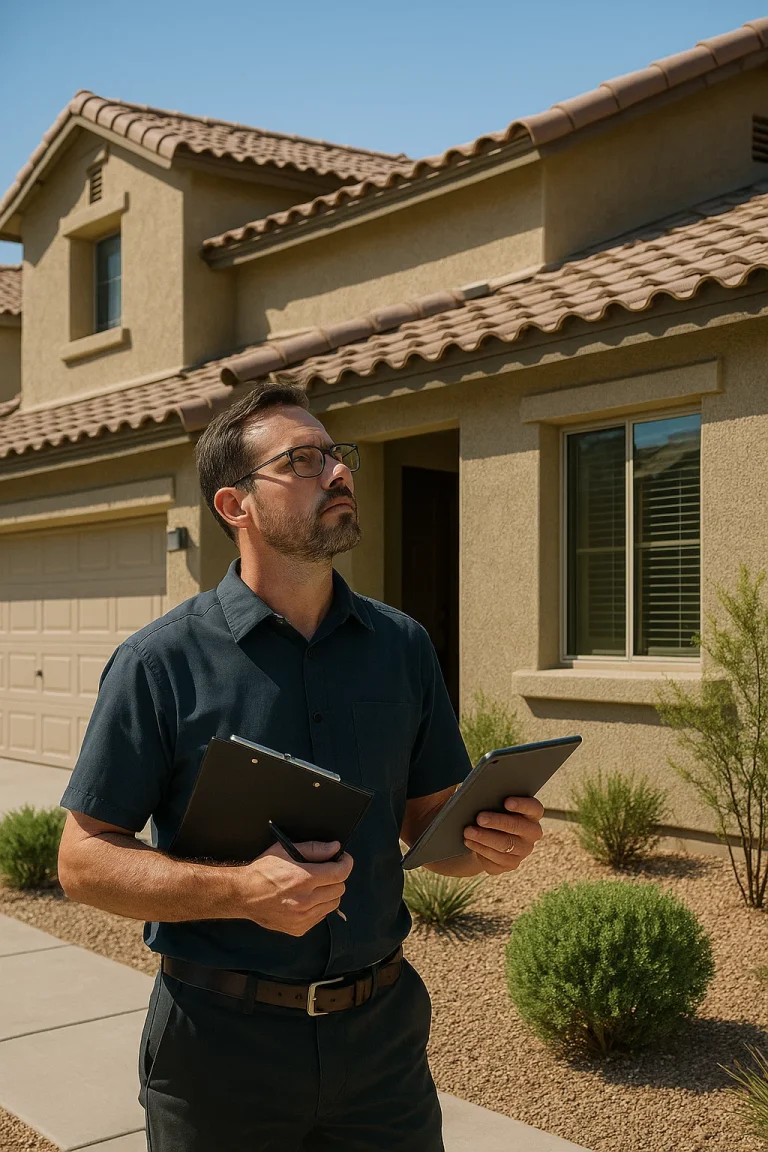
 Accurately appraising the value of a property is essential whether buying, selling, building, or refinancing real estate. In rapidly growing areas like Gilbert, Arizona, both new-construction and existing homes are in demand. However, the process of appraising these two types of properties differs in significant ways. For buyers, sellers, builders, and real estate professionals, it’s crucial to understand what distinguishes new-construction appraisals from those performed on existing homes and how these differences can affect property value and financial decision-making.
The Foundation of Home Appraisals in Gilbert
Home appraisal is a professional assessment of a property’s market value. In Gilbert, like elsewhere, appraisals ensure that lenders, buyers, and sellers have confidence in the true worth of a home. A certified appraiser evaluates location, condition, features, comparable sales, and other factors to determine fair market value. For new and existing homes, the underlying principle is the same: deliver a credible, unbiased valuation to guide key real estate decisions. However, new-construction homes add layers of complexity due to being unfinished, customizable, and less established in the market.
The Appraisal Purpose—Why It Matters
An appraisal for an existing home primarily serves buyers and sellers, verifying that the purchase price aligns with local market realities. In contrast, new-construction appraisals often guide builders, developers, and lenders through financing, release of construction draws, and risk mitigation. Builders require assurances that their investment in materials and land is justified, while lenders need data to back construction loans and eventual mortgages. Understanding specific appraisal purposes is critical—each use-case calls for different documents, timelines, and methods, influencing how values are set and how much flexibility is allowed for upgrades or future market shifts.
Documentation—From Blueprints to MLS Sheets
While existing homes are appraised by visually inspecting current physical conditions and reviewing MLS sales data, new-construction appraisals depend on builder documentation. Key documents include architectural blueprints, builder specifications, cost breakdowns, and upgrade lists. Appraisers evaluate what the finished home “will be” rather than what already exists, making projections based on plans and builder commitments. The accuracy and clarity of this paperwork are critical—the more detailed the blueprints and cost sheets, the more accurate and defensible the appraisal.
Valuation Approaches—Cost vs Sales Comparison
For existing homes, appraisers rely heavily on the sales comparison approach, analyzing recently sold similar properties in the area to ground the value assessment. New-construction homes, however, often require a blend of approaches:
Cost Approach: Calculates value based on land price plus the current cost to build, factoring in materials, labor, and builder profit margins. This is used prominently when the home is unfinished or when few comparable sales exist.
Sales Comparison: Still relevant, but with challenges—comparable properties may not yet exist within the same community, forcing appraisers to use homes from nearby subdivisions, older builds with adjustments, or even properties from a broader geographic range.
Income Approach: Seldom used for single-family residential appraisals in Gilbert, unless the property will be rented out for investment purposes.
Adjusting for Features, Upgrades, and Incentives
Unlike existing homes—where adjustments for features are based on observable conditions and market evidence—new-construction appraisers must also account for builder incentives and upgrades. In new developments, incentives can include premium flooring, smart technologies, closing cost assistance, or interest rate buy-downs. Accurately accounting for these upgrades is essential to avoid overvaluing or undervaluing a home vs. the true market—in many cases, appraisers will reference what similar selections have sold for in nearby or recently closed homes, making careful adjustments for market acceptance and buyer preferences.
The Challenge of Comparable Sales in New Communities
Perhaps the greatest difficulty for new-construction appraisals is identifying valid comparables. In Gilbert’s newest neighborhoods, there may be few (if any) completed sales within the development. Appraisers may expand their search to older, similarly equipped neighborhoods or use presale contracts and pending property sales where possible. Adjustments must be made for differences in location, size, features, and even construction quality—requiring appraisers with specialized expertise in new-construction trends and local market dynamics.
Lot Premiums and Location Sensitivity
Gilbert’s master-planned communities often assign lot premiums to homes backing open space, parks, or water. These premiums can significantly affect appraised value but may not be consistently reflected in comparable sales. New-construction appraisers must analyze the market’s willingness to pay for these premium lots and make careful adjustments to the appraisal, sometimes consulting developers or local experts to gauge fair premium values. In contrast, existing home appraisals typically have more historical data from resales that reflect these location-based premiums.
Market Trends and Economic Influences
The pace of development and market trends in Gilbert can affect both new-construction and existing home appraisals, but each responds differently to changes in demand, supply chain costs, and economic sentiment. For new builds, rapid increases in building material costs or labor can drive prices above historical resale values—sometimes outpacing what appraisers can support with existing comps. This can lead to “appraisal gaps” where the contract price exceeds the appraised value, especially in hot markets. Appraisers must continuously adjust their analysis to accommodate economic volatility while relying on the most recent and relevant data available.
Inspection Differences—Physical vs Hypothetical Condition
Appraisals for existing homes involve thorough physical inspection—checking structural integrity, updates, and deferred maintenance. For new-construction, inspections may occur in phases, focusing on projected or “subject-to-completion” conditions. Appraisers scrutinize whether proposed features will be delivered as promised, potentially requiring a final inspection or “certificate of completion” once the home is finished. This ensures the final value aligns with what was promised in the blueprints, confirming quality and feature delivery, and safeguarding both buyers and lenders.
Appraisal Timing—From Pre-Construction to Close
The timing of appraisals for new construction is closely tied to the construction timeline. Initial appraisals are often based on blueprints and builder documents before the home is complete, with subsequent inspections at key milestones. For construction loans, “draws” are released based on progress and certified appraisal reports. Existing homes, by contrast, are appraised in a single event, since property conditions and all features are already in place. The sequential nature of new-construction appraisals requires close coordination between appraisers, builders, and lenders to avoid delays and disputes.
Expert Appraisers and Local Market Knowledge
Gilbert’s rapid growth and dynamic real estate scene require appraisers who are intimately familiar with the nuances of new and established neighborhoods. Local expertise is paramount—accurate adjustments for builder upgrades, lot premiums, and market segmentation depend on an appraiser’s direct experience and market research. Only those who regularly work in the Gilbert new-construction market can confidently interpret trends, predict buyer behavior, and recognize when unique adjustments are warranted for features uncommon in older resale homes.
To Conclude: Navigating New-Construction and Existing Home Appraisals in Gilbert
Whether building a new home or buying an established property in Gilbert, understanding how the appraisal process differs is essential to making informed decisions. For new-construction, appraisers must project value based on plans, cost data, and sometimes scarce comparable sales, while factoring in incentives, upgrades, and fast-moving market shifts. Existing homes, on the other hand, benefit from tangible evaluation and robust sales history but may lack the premium features and customization of new builds. Trusted partners like Eagle Home Appraisal Gilbert offer the experience and market insight to ensure every appraisal—new-construction or resale—is thorough, unbiased, and reliable, helping all parties achieve successful outcomes.
Next Up: Real estate values can be complex, and one report might not always tell the full story. Our next post will dive into Do appraisers factor in Gilbert homeowners’ special assessments or fees? and explain how these costs can influence property value and affect your overall appraisal results.