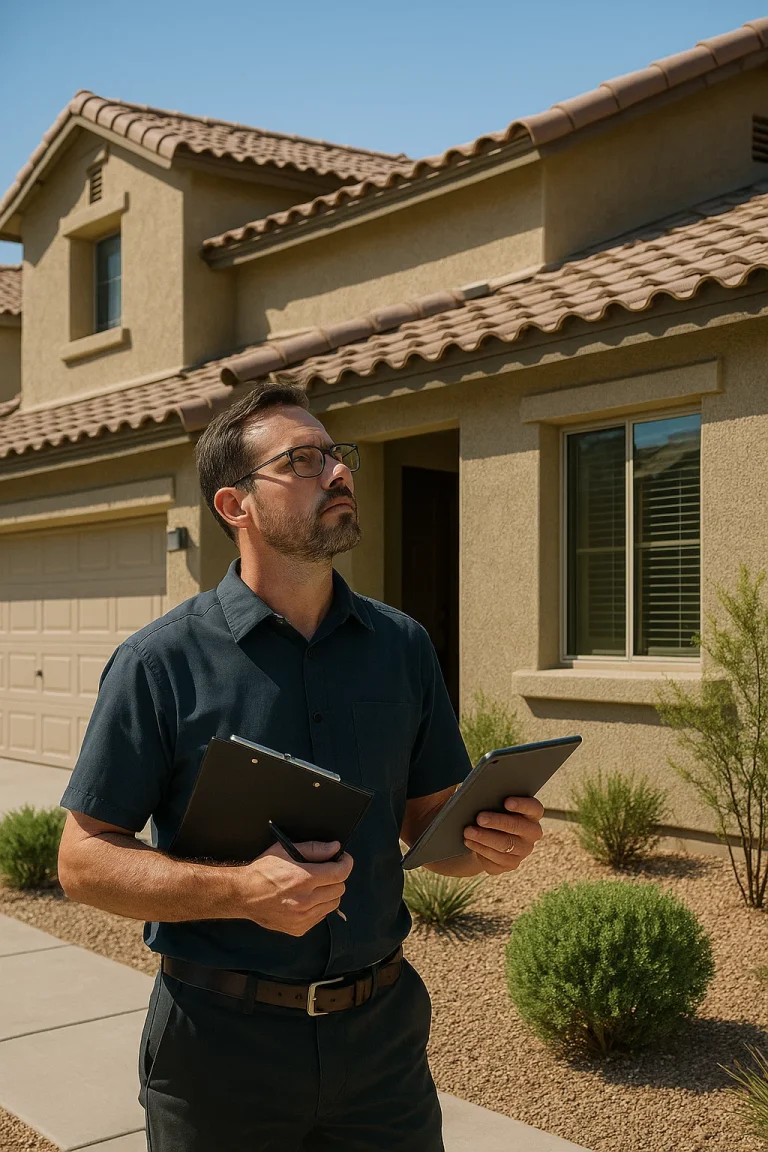
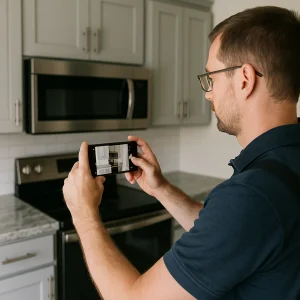
 The home appraisal process is foundational to nearly every real estate transaction in Gilbert, whether you’re buying, selling, refinancing, settling an estate, or resolving legal matters such as divorce or tax disputes. While written descriptions and data form the backbone of an appraisal report, photographs elevate the reliability and transparency of the appraisal by providing undeniable evidence of the property’s actual condition on the inspection date. In this guide, discover how licensed appraisers at Eagle Home Appraisal Gilbert diligently document property condition through photography, meeting the highest standards required by lenders, courts, and regulatory bodies.
Understanding the Role of Photos in Home Appraisals
Photographs serve as both supporting evidence and narrative for the entire appraisal process. For lenders, underwriters, legal professionals, and property owners, images provide clear, visual proof of the state of every aspect of the home. Appraisers integrate photos to:
Verify the existence and condition of features claimed in MLS or prior reports.
Demonstrate impartiality by documenting both positive and negative conditions.
Comply with legal and industry standards, such as those set by USPAP and Arizona state appraisal laws.
Support professional opinions—especially when appraisals must withstand scrutiny in divorce, estate settlements, or court cases.
A detailed photo record makes the appraisal defensible and understandable and is a required component of virtually all residential real estate appraisals in Arizona.
Pre-Inspection Planning: What Appraisers Prepare to Photograph
Prior to the property visit, appraisers at Eagle Home Appraisal Gilbert review public records, prior listings, and any client-supplied information to determine key areas and features they will need to document. Typical planning steps include:
Reviewing the property’s size, age, prior sales, and neighborhood characteristics.
Identifying unique, upgraded, or problem areas to anticipate photographically.
Preparing a checklist that includes all rooms, key systems, exterior features, and legally required shots (such as attics or crawlspaces for FHA reports).
This thoughtful advance planning ensures the photo sequence will meet lender, IRS, or court requirements while also capturing the true essence of the home.
What Appraisers Photograph: Required and Recommended Shots
During the on-site inspection, the appraiser systematically photographs all essential elements needed for a defensible, clear, and comprehensive report. Required and commonly documented photo categories include:
The front, rear, and side exteriors of the home
Street view and neighborhood context, showing surrounding properties and streetscape
Every room in the house, including living areas, bedrooms, bathrooms, kitchens, and utility spaces
Major systems such as HVAC, water heater, and electrical panels
Special features like pools, built-ins, fireplaces, upgrades, and recent renovations
Areas of deferred maintenance or damage, highlighting any needed repairs
Attic and crawlspace, especially for government-backed loans or at client request
Photographic coverage is thorough, designed to minimize ambiguity about the home’s true condition for any report reviewer.
Techniques for Accurately Capturing Condition
Photographic documentation is only as good as the methods employed. Professional appraisers use techniques that ensure images reliably depict the home’s state:
Wide-angle or panoramic shots to show scale and relationship between spaces.
Close-ups to highlight details, upgrades, damage, or unique materials.
Consistent lighting and sharp focus, ensuring no important feature is misrepresented.
Systematic sequencing, following a logical path through the property to ensure nothing is omitted.
Multiple formats if needed—digital and printed photos embedded into the final report for permanence.
Appraisers also maintain strict confidentiality, in line with industry ethics, to protect the owner’s privacy while providing necessary visual proof.
Documenting Deferred Maintenance and Repairs
One of the appraiser’s most critical roles is to offer an unbiased assessment of the property’s true condition, including any deferred maintenance that may affect value. Documentation includes:
Photos clearly showing evidence of problems (peeling paint, flooring damage, roof wear, water staining, etc.)
Context shots showing location and extent of the issue.
Captions and notes in the report that directly reference the photographed item and its impact on value.
These images serve as a basis for necessary repair adjustments and may be required in court, lender review, or IRS audits.
Highlighting Special Features and Recent Upgrades
Appraisers also use photographs to highlight valuable upgrades or rare features that can enhance the property’s value. Commonly photographed improvements include:
Custom cabinetry, built-ins, crown molding, or luxury appliances
Upgraded flooring, countertops, lighting, or fixtures
Outdoor amenities such as pools, landscaped yards, outdoor kitchens, or solar panels
Recent renovations or permitted additions
By capturing these elements, the appraiser can justify value adjustments and defend them against challenges by lenders or adverse parties.
Appraisal Reports: Integrating Photos into USPAP-Compliant Documentation
Once site photography is complete, appraisers at Eagle Home Appraisal Gilbert integrate images into a formal, USPAP-compliant report. Key report sections include:
Clearly labeled photo pages, each tied to the specific location or feature pictured.
Cross-referencing between images and written narrative, ensuring clarity for all report users.
Inclusion of required images (front/rear/exterior, street, all major rooms, mechanical systems) and any photos that clarify unique concerns or value drivers.
Addenda for additional photographs if the standard form is insufficient.
Meticulous integration of photographic documentation into a compliant report is essential for report acceptance by lenders, courts, and government agencies.
Addressing Privacy and Confidentiality in Appraisal Photography
While photographic documentation is necessary, professional appraisers maintain a strong commitment to client confidentiality and respect for personal privacy. Photos in an appraisal report:
Are never made public and are only shared with authorized report recipients (lender, client, attorney, or court)
May omit or blur personal items or valuables at the owner’s request
Are securely stored, both digitally and in printed reports, in accordance with USPAP and local law
Always serve a professional, valuation-driven purpose, not voyeurism or unwarranted disclosure
Owners are encouraged to remove or conceal sensitive items before the appraisal to ensure both privacy and professional accuracy.
How Photo Documentation Supports Legal, Tax, and Loan Needs
In Gilbert, as in other jurisdictions, thorough photographic documentation supports appraisal reports used for:
Divorce settlements and court testimony: providing clear proof for asset division
Estate and trust administration: ensuring the IRS or probate court accepts valuations
Mortgage lending and refinancing: giving banks confidence in collateral value
Tax appeal or capital gains valuation: supplying evidence to contest assessments or minimize gains tax
Photographs embedded in a professional, certified report from Eagle Home Appraisal Gilbert help ensure outcomes that stand up to scrutiny in any forum.
Common Questions: Homeowner FAQs on Appraisal Photos
Q: Will the appraiser take photos of every room?
A: Yes, appraisers typically document every major living area, bathroom, bedroom, and utility space to provide a comprehensive view of condition and features.
Q: Can personal items be excluded from photos?
A: Yes, property owners should notify the appraiser ahead of time about items to avoid, or remove them prior to inspection; the focus will always be on real property features.
Q: Are these photos shared publicly?
A: No. Appraisal reports, including all photographs, are confidential and only distributed to explicitly authorized parties involved in the transaction or legal process.
Q: What if damage is found?
A: Photos of deferred maintenance or defects are included in the report to support any value adjustments and repair recommendations, protecting all parties involved.
Conclusion
Photographic documentation is a cornerstone of the modern home appraisal process in Gilbert, providing a transparent, defensible record of a property’s condition at the time of inspection. The certified professionals at Eagle Home Appraisal Gilbert ensure that every appraisal report they deliver contains comprehensive, properly-labeled photographs that meet—and often exceed—industry, lender, and legal requirements. With meticulous attention to detail and a strong commitment to client privacy, this photographic process helps ensure clarity, confidence, and a fair outcome for buyers, sellers, attorneys, lenders, and estate professionals throughout Arizona.
Next Up: Real estate values can be complex, and one report might not always tell the full story. Our next post will dive into How is valuation income-based for Gilbert rental properties? and explain how understanding income approaches can give investors clearer insight and confidence in their property decisions.