 Understanding the influence of flood zones and drainage issues on residential property valuation in Gilbert, Arizona is essential for buyers, sellers, estate planners, and anyone managing real estate. Gilbert’s landscape, while generally arid, is subject to episodic severe weather events. Drainage and flooding can quickly transform any property’s financial picture, affecting everything from insurability to resale price. This blog will explore the multifaceted ways in which these environmental factors shape appraisal decisions, guide market participants, and inform property upgrades to safeguard value.
Gilbert’s Flood Risks – An Overview
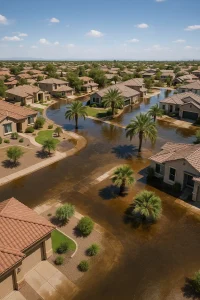
Gilbert may seem safe from flooding due to its desert climate, but its geography and monsoon weather patterns present significant flood risks. The town’s susceptibility stems primarily from rapid heavy rain events and increasing climate variability. According to climate risk assessments, about 182 of Gilbert’s 201 census tracts are at significant risk from surface (pluvial) or riverine flooding. Even if flooding seems rare, the chance of water accumulation affecting homes over property lifespans is substantial.
Local governments continuously improve infrastructure to counter these dangers, focusing on stormwater management systems and community awareness. However, buyers and homeowners should recognize that flooding risk remains a serious consideration in both new and existing neighborhoods. Professional appraisers incorporate these risks, along with FEMA data, into the formal appraisal process, ensuring that every valuation reflects the property’s true exposure.
How Flood Zones Affect Appraisal Methodology
Appraisers in Gilbert must assess whether a property lies within a flood zone (as defined by FEMA or local flood plain studies) and consider how that risks impacts value. Properties in Flood Zone AE, for instance, have a 1% annual chance of flooding—a figure that can sometimes double the risk and cost expected in a standard valuation. During appraisal, professionals analyze floodplain maps, historical flood data, and municipal drainage plans.
Homes in high-risk zones often attract mandatory flood insurance requirements, more stringent building codes, and lower market demand. Appraisers reflect these influences by adjusting value downward for properties at greater risk. This ensures fair asset distribution in divorce cases, proper calculation for estate planning, and adequate protection against surprises for buyers and lenders.
Appraisers also quantify other risk factors, such as proximity to watercourses, history of claims, local topography, and even how well the property has implemented flood-resistant design features. These details all contribute to a more nuanced and reliable valuation.
The Financial Impact of Flood Zones on Property Values
The designation of a flood zone historically leads to a reduction in appraisal value compared to properties outside such zones. For buyers, the price discount can vary, but reductions of 10%–20% are commonly referenced in real estate markets when direct flood history or zone documentation is present. This discount reflects higher ownership costs, such as premiums for flood insurance, recurring maintenance for water damage risk, and reduced marketability.
Flood insurance costs in high-risk areas such as Flood Zone AE average about $1,150 annually, which is almost double the cost in moderate or low-risk areas. These recurring expenses impact affordability and, consequently, market value. The need for disclosure of known water damage also influences price—sellers must report all issues or face legal consequences, giving buyers leverage to negotiate further reductions.
Given these risks, appraisers may apply negative adjustments to the property’s indicated value to reflect adverse market conditions, lender reluctance, and a smaller pool of buyers willing to accept flood risk.
Drainage Issues – Hidden Hazards and Their Effect on Value
Poor drainage presents a distinct but related threat to property value. Drainage problems often manifest as mold growth, foundation cracks, soil erosion, and permanent damage to structures and landscaping. Even when outside a designated floodplain, a home may lose significant value if buyers or inspectors identify persistent water pooling, yard erosion, or structural instability linked to drainage.
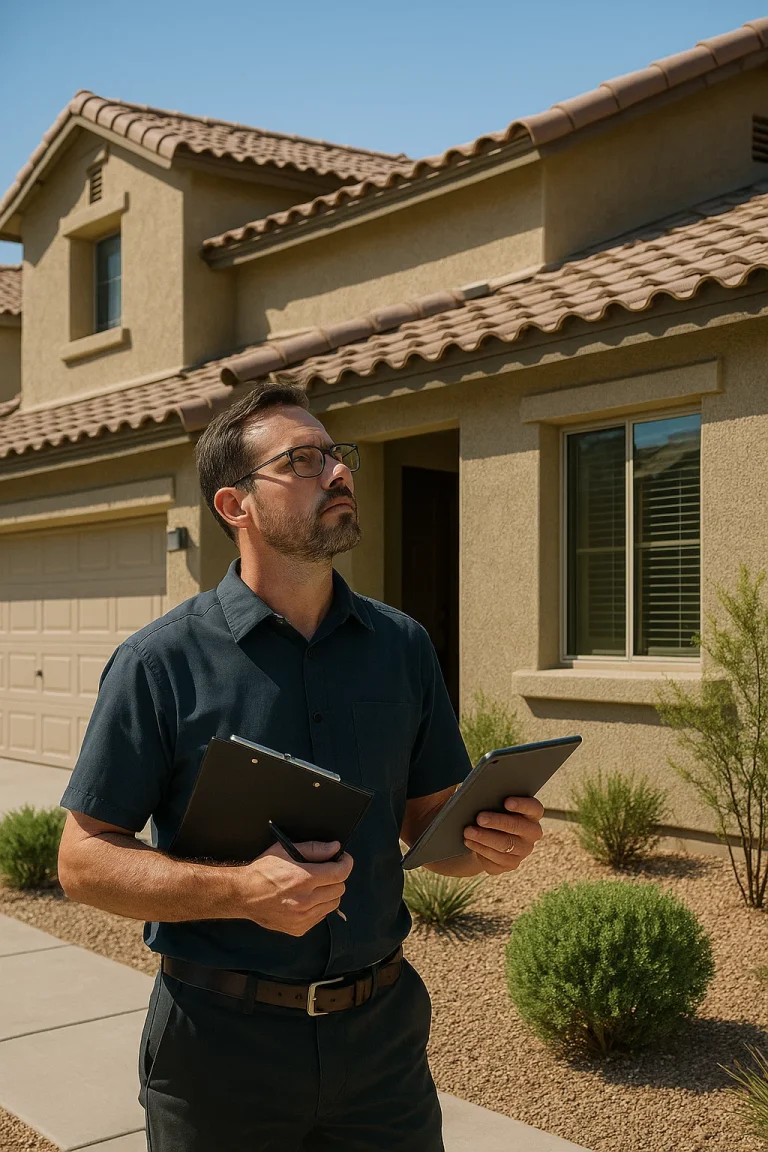
Home inspections in Gilbert rigorously check for drainage flaws due to the risk of expensive repairs and potential future flooding. Properties with uncorrected drainage issues see reduced appraisal figures, reflecting the cost and difficulty of remediation, buyer apprehension, and diminished curb appeal.
Professional grading and drainage solutions can restore value, but failing to address underlying issues nearly always results in lower appraised values. Continuous improvement in yard and home drainage systems is a key driver to maintaining and increasing value over time.
Insurance Requirements and Costs
A primary driver of appraisal adjustments in flood-prone or poorly drained areas is the insurance implication. Gilbert homes within FEMA-mapped flood zones require flood insurance under most lending guidelines. The higher the designated risk (e.g., AE flood zones), the higher the premium, sometimes reaching thousands of dollars annually.
Insurance costs directly reduce the market value of a property by raising the ongoing cost of ownership. Appraisers deduct these long-term expenses from their calculations, providing a realistic market value that reflects net affordability.
Moreover, buyers are sometimes deterred altogether by mandatory insurance, pushing demand lower and driving down comparative market values. In divorce cases or estate liquidation, these costs play a critical role in fair asset distribution and settlement.
Marketability, Buyer Perception, and Resale Dynamics
Homes in flood zones or with known drainage problems frequently suffer a major hit to marketability. Buyers may fear future water damage, high insurance premiums, and uncertainty about resale potential—even if the property appears in good condition at purchase. This hesitancy shrinks the potential buyer pool, prolongs selling time, and often forces price concessions.
Properties with recent flood history often struggle more on the market. Discount expectations in Gilbert for flood-impacted homes can range from 10% to 20%, depending on severity, location, and flood zone designation. Even a single prior incident or documented drainage repair may affect future value.
Appraisers weigh these realities, applying market-based adjustments, tracking sale histories, and referencing comparable properties with similar risk characteristics. Their findings become crucial evidence in court, tax audits, and trust settlements, especially when complex valuation disputes arise.
Resilience Upgrades and Value Preservation
Fortunately, proactive property upgrades can mitigate drainage and flood risks and help stabilize or even enhance appraisal value. Gilbert homeowners frequently work with local experts to install sump pumps, upgrade stormwater drains, implement land grading improvements, or invest in waterproofing.
Such improvements not only limit future risk but also signal to buyers and appraisers that the property is well-maintained and resilient. Enhancements like crawl space encapsulation, professional grading, and advanced stormwater management systems boost market confidence and can recoup some or all lost value due to flood risk or poor drainage.
Appraisers document these upgrades and factor them into their reports. Evidence of professional installation, regular maintenance, and effectiveness can dramatically reduce downward adjustments for risk, potentially turning a negative into a selling point.
Legal Obligations – Disclosure and Documentation
Arizona law requires full disclosure of all known water damage, flood events, and significant drainage problems when selling property. Failure to report can result in liability for hidden defects after closing, affecting not only price but also future litigation and settlement costs.
Appraisers rely on seller disclosures, inspection reports, and municipal records for documentation of water-related issues. Deceptive practices or missing information can lead to appraiser skepticism, further reducing value due to uncertainty. Comprehensive documentation and clear disclosure always support stronger, more defensible valuations.
For divorce, estate, IRS appraisals, or expert witness testimony, thorough records are vital. The credibility of the appraisal hinges on an accurate, documented assessment of environmental risks.
Local Market Trends – Data-Driven Insights
Market response to flood zones and drainage issues in Gilbert reflects national trends but bears some unique local features. The region’s rapid development, changing weather patterns, and evolving municipal flood mapping alter the landscape of risk and value.
Recent studies show that Gilbert’s neighborhoods in high-risk census tracts consistently underperform in price appreciation compared to low-risk zones. Buyers increasingly use online databases, FEMA maps, and inspector reports to inform bidding and negotiations. Appraisers track these trends, maintain updated reference data, and ensure every valuation reflects the most current market dynamics.
Investment in community-wide stormwater initiatives and public education also shifts trends over time, sometimes minimizing historic discounts for flood risk as infrastructure improves.
Professional Appraisal – The Eagle Advantage
Eagle Home Appraisal Gilbert specializes in incorporating environmental risk analysis, local market expertise, and up-to-date technical assessment in every appraisal report. Whether working on divorce, estate, IRS, or market valuations, Eagle’s certified experts examine all aspects of flood exposure, drainage challenges, and remediation efforts.
Their impartial, thorough documentation ensures clients receive not only a credible valuation but also actionable insight for risk management. Eagle’s partnership with local appraisal professionals guarantees a nuanced interpretation of Gilbert’s unique market and regulatory context, from bustling city center lots to serene suburban homes.
Clients benefit from fast turnaround times, clear reporting, and expert witness testimony when needed—all focused on ensuring both peace of mind and maximum property value.
Final Thoughts
Flood zones and drainage issues play a critical role in shaping appraisal values in Gilbert, Arizona. Whether influencing buyer decisions, insurance obligations, legal documentation, or market trends, these factors underscore the importance of expert appraisal, regular improvements, and full disclosure.
Eagle Home Appraisal Gilbert remains dedicated to guiding clients through these complex terrain, securing reliable valuations, and offering unmatched professional service. By understanding and proactively addressing flood and drainage risks, property owners can preserve asset value, safeguard their investments, and build confidence in every real estate transaction.